17 Sep, 2026
One person pictures an early morning fishing trip. Another wants to read somewhere quiet. The children want to know when they can go swimming.
All three expectations can belong to the same family vacation. The difficulty begins when everyone assumes their version of the getaway is the plan.
For a first cabin stay on Island Lake, the most useful preparation happens before packing. Agree on what matters to each person, choose accommodation that supports everyday family life, and share the work of keeping the trip running.
A good getaway should give everyone something to enjoy, including the adults organizing it.
Start with one simple question: what would make this feel like a good vacation?
Let children name something they are excited about, but include the adults’ answers too. Fishing, a family meal outside, an afternoon exploring or an hour alone with a book are all reasonable wishes.
Choose a few priorities the family can realistically accommodate. If one parent hopes to fish early, agree on another time when the other can take a break.
This is especially useful when grandparents or another household are joining. Shared accommodation does not mean everyone has volunteered for the same schedule or childcare responsibilities.
Discuss spending expectations as well. Agreement on meals out and paid activities prevents repeated budget decisions during the trip.
A first cabin getaway is easier when the accommodation fits the routines you already know.
Think about who wakes first, whether a younger child needs a daytime nap and where everyone can spend time after bedtime. Check sleeping arrangements rather than assuming the advertised capacity tells the whole story.
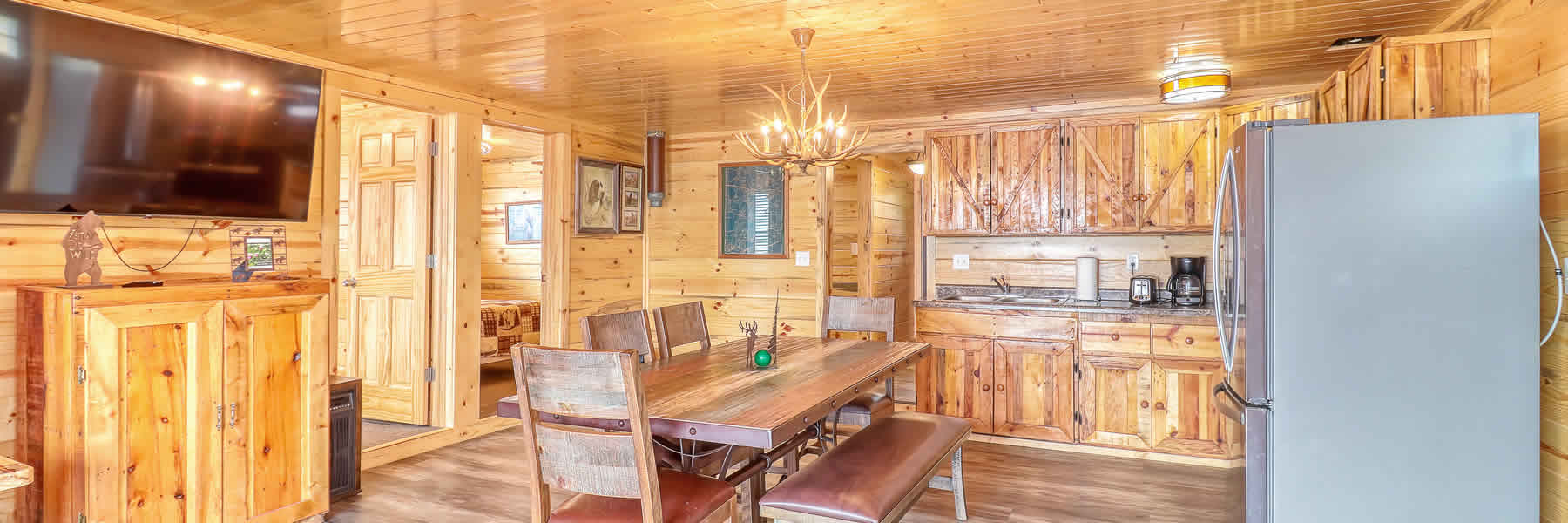
For families comparing cabins near Detroit Lakes, MN, Tamarac Bay Resort on Island Lake near Rochert is one option to explore. Review the individual accommodation and ask about the details that matter to your family.
A kitchen may be valuable if you expect to prepare familiar meals. Separate sleeping spaces may matter more if children and adults keep different hours.
Make a short list of essentials before looking at photographs. It is easier to choose well when you know which everyday problems the cabin needs to solve.
For families driving from Fargo, Moorhead or West Fargo, the first evening can quickly fill with unloading, finding supplies and deciding what to eat.
Pack an arrival bag with snacks, pajamas, toiletries and the items needed for bedtime. Keep the first meal straightforward, and check what cooking equipment is available before deciding what to bring.
Once you arrive, let children see where they will sleep and help them understand the boundaries around the cabin. An unfamiliar place feels more manageable when the basics are clear.
Avoid promising a major activity immediately after check-in. A brief look around, dinner and time to settle may be enough.
Starting quietly gives the next morning a better chance.
A cabin vacation still involves meals, dishes, wet clothes and keeping track of children’s belongings.
If one person handles all of it, the location may change while their workload stays much the same.
Agree on a practical division of tasks. One adult might handle breakfast while another gets children ready. Older children can help set the table or organize their own outdoor gear.
Keep meals manageable. Repeating an easy breakfast or serving leftovers for lunch is perfectly compatible with a good vacation.
When traveling with extended family, make responsibilities explicit without turning the stay into a duty roster. Knowing who is doing dinner is usually enough to prevent everyone waiting for someone else.
At a lake destination, agree on supervision before anyone heads toward the shoreline.
Children should know they need an adult’s permission to approach the water. Adults should know exactly who is watching, with an explicit handover when that responsibility changes.
The American Red Cross recommends close, constant supervision without distractions and appropriately fitted, U.S. Coast Guard-approved life jackets for children, inexperienced swimmers and everyone boating. Life jackets do not replace supervision.
Check the designated swimming areas and current conditions before entering. Do not assume experience in a pool translates directly to comfort in a lake.
Keep early outings manageable. A child who wants to stop does not need to be persuaded to make the activity last longer.
The cabin can be the family’s base without becoming its only setting.
Choose an outing that offers a change of pace from the lake. In the surrounding region, Tamarac National Wildlife Refuge offers hiking, birdwatching and photography. Check access information and visitor-center hours before setting out.
With young children, a short walk with something to look for may work better than a long route. Let them notice birds, listen for sounds or choose a subject for a photograph.
Check the journey from the cabin and leave room for food and rest. An afternoon excursion should not require everyone to push through tiredness simply because it was planned.
Your first family cabin getaway will teach you things: how much food to bring, which activities hold everyone’s interest and how long the children enjoy being away.
Use that knowledge rather than treating every adjustment as a disappointment. Leaving an outing early or spending a rainy afternoon together can still be part of a worthwhile trip.
The aim is to return knowing what your family enjoys and wanting to do some of it again.
A successful family cabin getaway on Island Lake starts with shared expectations, suitable accommodation and an easy arrival. Divide everyday tasks, agree on water supervision and keep local outings manageable. Make room for each person’s interests so the vacation feels worthwhile for the whole family.